
Our Process: How Gate Work Is Assessed and Done
Across the gate trade, work generally follows the same pattern: a technician looks at how the gate moves and what it is built from, the job goes through a few usual stages, and safety standards and local rules shape what is done. Every property is different, and the details of a particular job are settled when the gate has been seen in person.
For Squantum Gate Services, every job starts with a call or message about the gate you have, or the one you want. We ask what kind it is, what it does when it fails and how often it gets used, then set a time to see it. Caleb Foster, the owner, comes out to look it over, take measurements and check the hardware and power. He explains what he found, and once you agree on the work, we set a start date.
What Is Assessed
| What is assessed | Why it matters | Work it applies to |
|---|---|---|
| How the gate moves | A sag, a bind or a stall shows where the fault is before anything is taken apart | Repair, openers, maintenance |
| Posts and footings | A post that leans or heaves throws the gate and latch out of line | Repair, installation |
| Hinges, rollers and track | Worn hardware makes a gate drag and an opener work harder | Repair, maintenance |
| Gate weight and size | Hinges, rollers and openers are rated for the load they carry | Installation, openers |
| The ground around the gate | Slope and room behind or beside the opening decide swing or slide | Installation |
| Power and wiring | An opener and entry devices need a safe supply and wiring route | Openers, access control |
| Safety devices | Photo eyes, edge sensors and reversing protect people and cars | Openers, maintenance |
| How often it is used | A busy gate needs heavier hardware and an opener built for frequent use | All gate work |
The Stages of a Typical Job
| Stage of a typical job | What generally happens | What the customer may be asked |
|---|---|---|
| First call or message | The gate and the problem, or the gate you want, are described | What kind of gate it is, what it does when it fails, how often it is used |
| Site visit | The gate is looked over, measured, and its hardware and power checked | Where the gate is, how to reach it, and any history of repairs |
| Explanation and agreement | What was found is explained and the work agreed | To choose between options where there are some |
| Scheduling | A start date is set | Whether the gate can be out of use for a time |
| Before digging | Underground utilities are marked for post or trench work | Where private lines (sprinklers, lighting) run |
| The work | The repair, installation or opener work is carried out | To keep cars and people clear of the work area |
| Final checks | The gate is cycled repeatedly; swing, latch and safety stop tested | To try the gate and its controls before the job is closed |
Safety Standards and Rules
Swipe left to see the rest of the table.
| Rule or standard | What it covers | Where it matters |
|---|---|---|
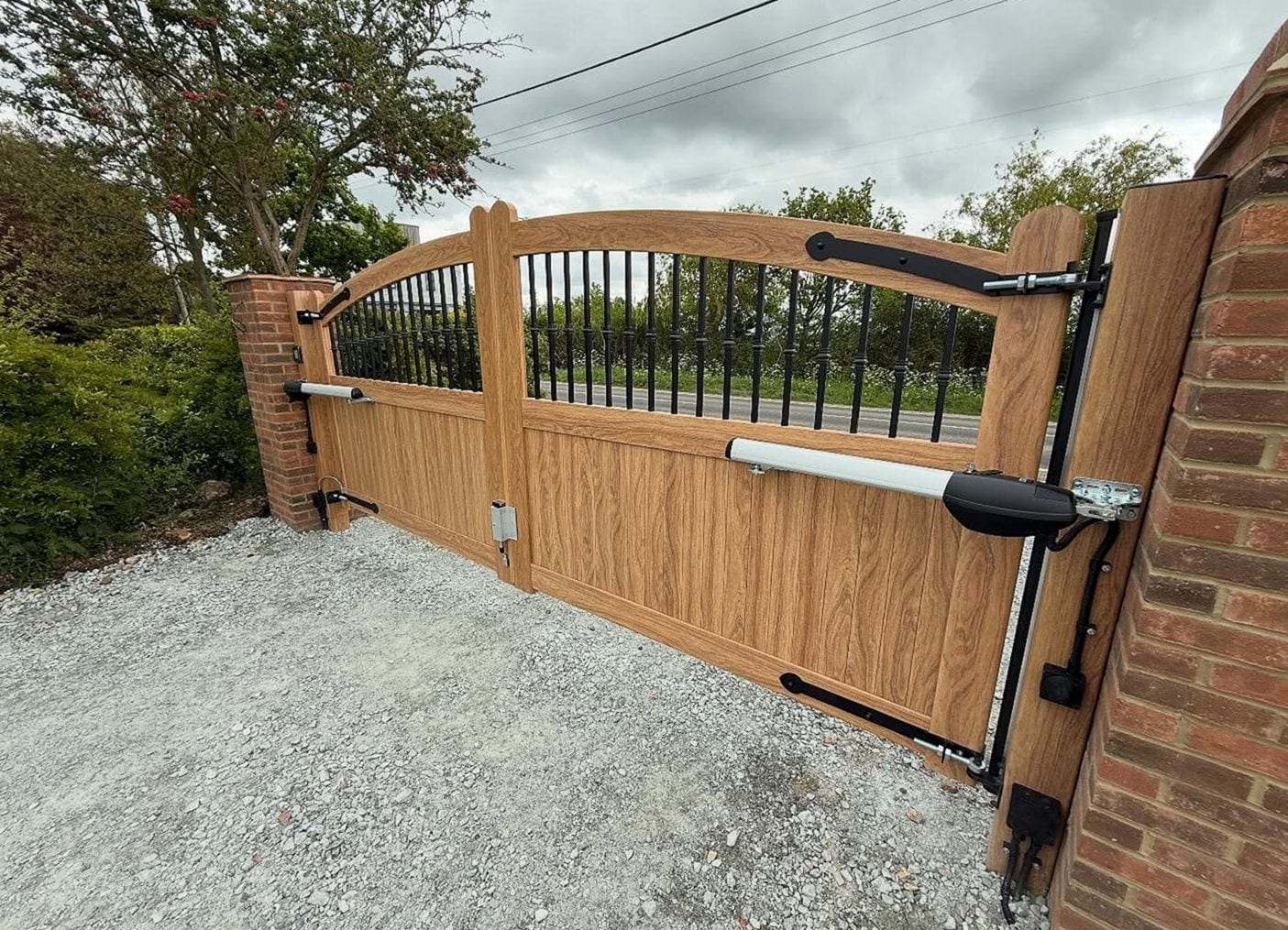
| UL 325 | Safety of gate operators, including protection against entrapment (photo eyes, edge sensors, reversing) | Every automatic gate opener |
| ASTM F2200 | How automated vehicular gates are built: openings, gaps and guards that keep people from being caught | Gates that are automated, new or converted |
| Electrical code | Wiring, circuits and outdoor connections for openers and entry devices, done to the Massachusetts electrical code | Openers, keypads, intercoms, lighting |
| Dig Safe (811) | A required call before digging so underground gas, electric and water lines are marked | Post holes, footings and trenches for wiring |
| Local permits | Town rules on fence and gate height, placement and building or electrical permits | New gates and new wiring |
| Fire access | Emergency vehicles must be able to get through gates across some drives and entrances | Shared drives, condos and commercial entrances |
What an Owner Can Check, and What to Leave
Safe for an owner to check
- Keep the gate’s path and a sliding gate’s track clear
- Wipe the photo eye lenses and check they face each other
- Test that the gate reverses when the beam is blocked
- Replace remote batteries
- Watch and listen for new dragging, grinding or jerking
Leave to a technician
- Opener force, limit and reversing settings
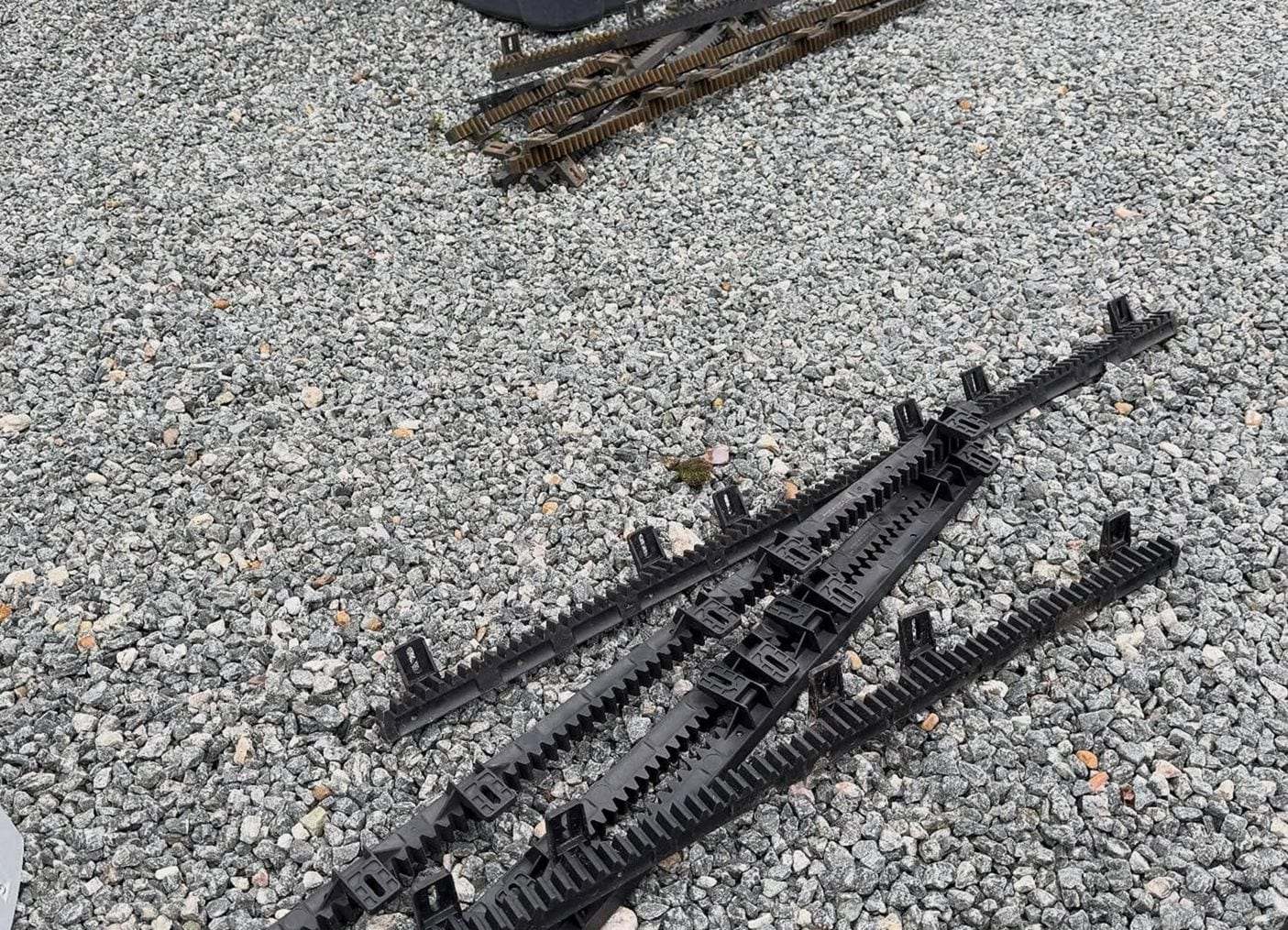
- Springs, arms and the gear rack
- Wiring, circuits and control boards
- Re-hanging a gate or straightening a post
- Any gate whose safety devices do not work
More on standards, permits and digging is under safety, codes and permits on our questions page.